Building the High Road
Working cover
Building the High Road
For forty years, struggling places have been told to compete by getting cheaper. This book makes the case for the other road, and shows how to start down it from the towns the old economy left behind.
Anyone who grew up in the Rust Belt knows the low road. Cities bid against each other for warehouses and call centers, hand out tax breaks that rarely pay off, and watch wages, housing, and civic life wear thin. The high road, a term from American labor and economic development circles, names the alternative: economies that compete on skill, quality, and shared institutions, and that judge themselves by three goals at once. Those goals are shared prosperity, environmental sustainability, and participatory democracy.
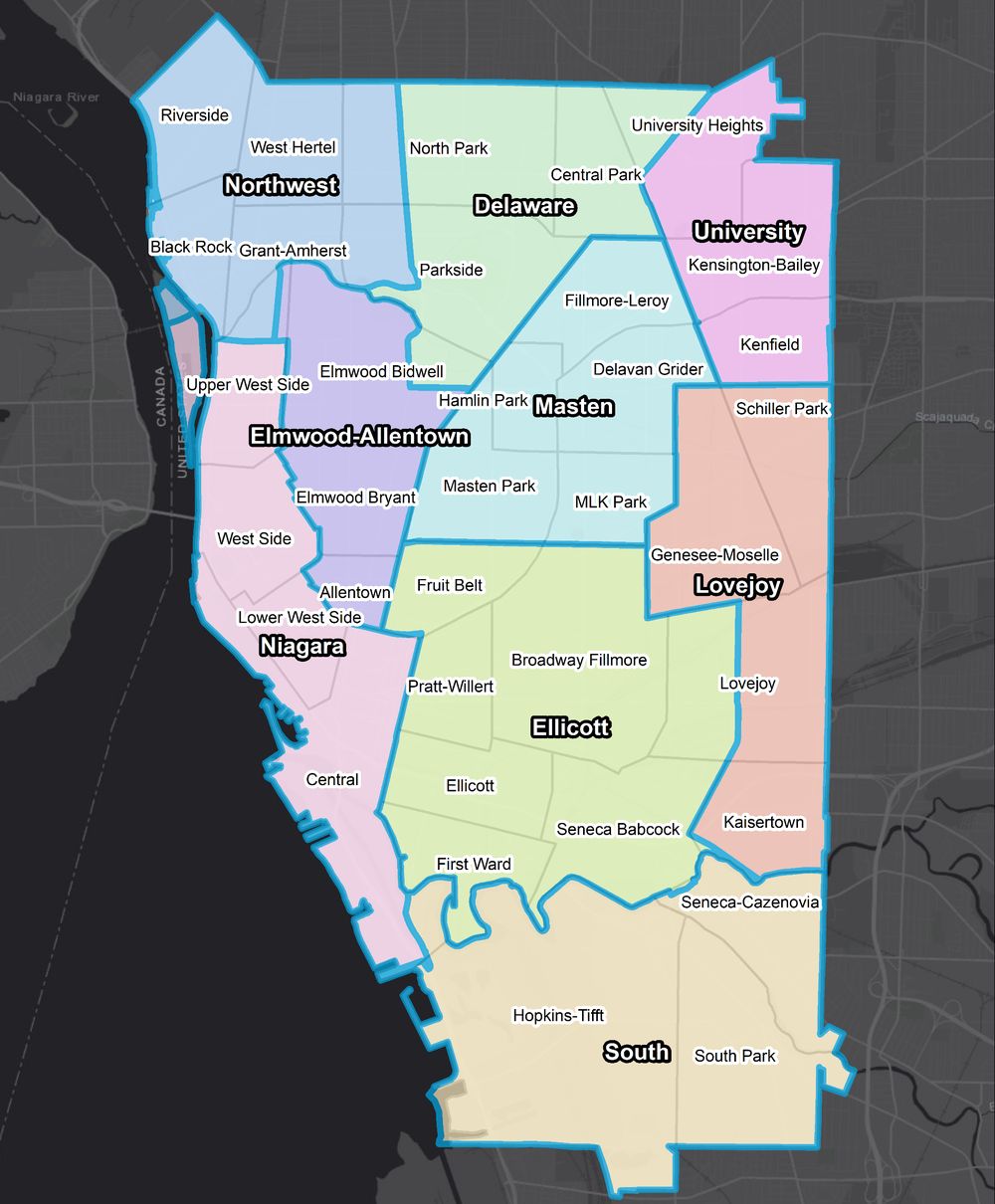
Drawing on a decade of public data work in Buffalo and Western New York and his research on shrinking cities, Weaver turns that idea into a working playbook built on three strategies. Prefigure the high road with what already exists, from worker cooperatives to participatory budgeting. Disrupt the subsidies and rules that hold the low road in place. Capture the institutions where the low road is weakest, from city charters to local elections. Each fight comes with the maps and numbers behind it: living wages, child care, evictions, and the voting power of renters.
It is written for organizers, local officials, and readers who are tired of hearing that their towns must race to the bottom.
- Status
- In development
- Grows from
- High Road Policy (2020 to now) and Shrinking Cities (Routledge, 2016)
- Ground
- Buffalo, Rochester, Upstate New York, and the wider Rust Belt